After Midnight: The Quiet Revolution Bringing Late-Night Radio Back to Life
Photo: late night radio host studio microphone dark glowing, via thumbs.dreamstime.com
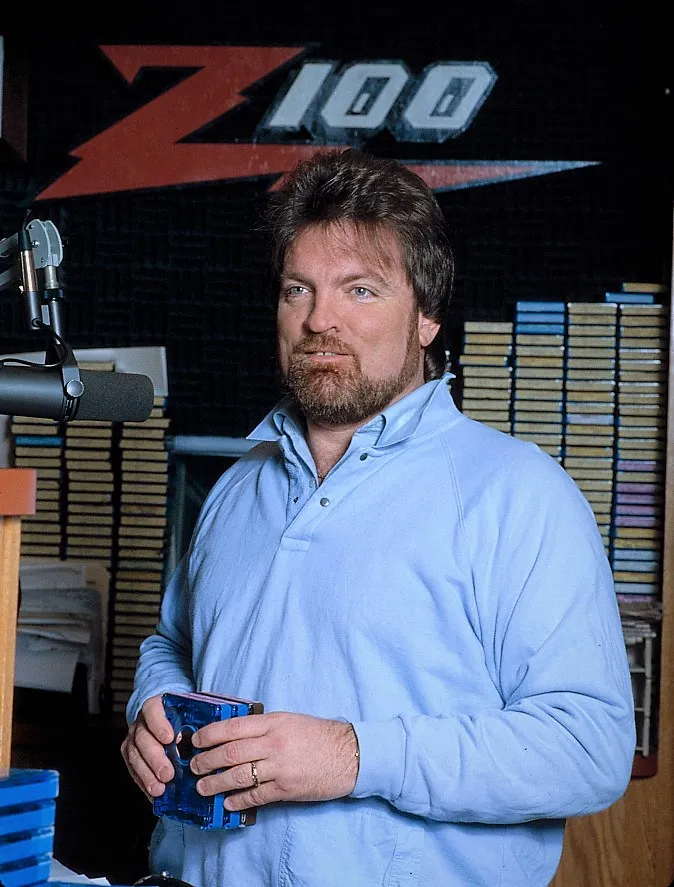
There's a particular kind of quiet that settles over a radio studio at 1:47 in the morning. The phones stop ringing as much. The host leans a little closer to the mic. The conversation gets real in a way that afternoon drive-time just doesn't allow. For decades, overnight radio held a specific magic — intimate, unfiltered, and built for the people the rest of the world had forgotten about.
Now, that magic is back. And it's streaming.
The Numbers Don't Lie — People Are Up Late
Spotify's internal listening data, shared in a 2023 industry brief, showed a consistent spike in podcast and streaming radio consumption between 11 p.m. and 3 a.m. across major U.S. metros. iHeart's digital platform reported similar trends, with late-night listening growing roughly 22% year-over-year among users aged 25 to 44. That's not a blip. That's a pattern.
So who's actually listening? The answer is more layered than you might think. Night-shift workers — nurses, warehouse staff, long-haul truckers, security guards — represent a massive, chronically underserved audience. The CDC estimates that about 15 million Americans work a permanent night shift, and for years, their entertainment options amounted to whatever terrestrial radio happened to be running automated playlists or coast-to-coast syndicated reruns.
Insomniacs make up another chunk of this growing audience. The American Sleep Association puts the number of chronic insomnia sufferers in the U.S. at around 70 million. For a lot of them, staring at a ceiling at 3 a.m. has been replaced by plugging in earbuds and finding a voice that feels like company.
And then there's the international angle. U.S.-based streaming shows that air "live" at midnight Eastern are hitting prime evening hours in Western Europe and late afternoon in parts of Asia. Digital radio doesn't care about time zones, and some of the most engaged listener communities for American late-night shows are logging in from London, Berlin, and São Paulo.
The Hosts Who Own the Night
Marcus Delray has been hosting The Long Way Home, a streaming talk and music show on a Texas-based digital station, every weeknight from midnight to 3 a.m. for the past two years. He started the show after losing his afternoon slot during a station format change and figured the overnight hours were worth a shot.
"I honestly expected to be talking to nobody for the first few months," Delray admits. "But the calls started coming in, the chat room started filling up, and what I realized pretty fast was that these listeners — the night people — they're hungry. They want real conversation. They're not half-listening while they commute. They're fully in it."
Delray says the intimacy of late-night streaming is something you can't fake. "When it's 2 a.m. and someone calls in from a truck stop in Oklahoma or a hospital break room in Detroit, they're not performing. Neither am I. That's when radio gets honest."
Similar stories are emerging across the streaming landscape. Priya Nair launched Signal & Static, a late-night talk show blending music commentary with personal storytelling, on a streaming platform out of Chicago in early 2023. Within six months, she'd built a listener base spanning 40 countries. A significant portion of her audience, she says, is in the UK and India — listeners for whom her midnight Central Time slot lines up perfectly with their own evening routines.
"I get voice messages from a guy in Manchester who listens every night while he makes dinner," Nair says. "He found the show because he was searching for something that felt like old-school late-night American radio. That format still has real pull internationally."
Why Streaming Finally Gets It Right
For all its charms, traditional overnight radio had real limitations. Syndication meant the same show blanketed hundreds of markets. Local flavor got squeezed out. Hosts were often pre-recorded, and the sense of live connection was largely an illusion.
Streaming changes the math. A single host with a decent mic setup, a reliable internet connection, and a platform can reach anyone, anywhere, at any hour — and do it live. Chat functions, call-in integrations, and real-time social media interaction have given the late-night format tools it never had before. The audience isn't passive anymore. They're co-creators of the vibe.
Platforms like Mixlr, Spreaker, and even Twitch have become unexpected homes for audio-first late-night programming. Discord servers tied to specific shows function as virtual green rooms where regulars gather before broadcast, share music recommendations, and keep the community alive between episodes.
The Format That Never Really Left
It's worth asking why this is framed as a comeback at all. Late-night radio never fully disappeared — it just got pushed to the margins, dismissed as dead air to be filled with automation. What streaming has done is give it a genuine infrastructure and a discoverability mechanism that terrestrial radio couldn't offer.
The shows thriving right now share a few key traits: they're host-driven, they prioritize listener interaction, and they resist the urge to be everything to everyone. The best ones sound like a conversation you stumbled into and didn't want to leave.
For the night-shift nurse driving home at 4 a.m., the insomniac staring at the ceiling in Phoenix, or the college student in Edinburgh who just wants to feel connected to something American and alive — late-night streaming radio is delivering something the algorithm-driven playlist never could.
A real voice. In real time. Right when you need it most.
Here at 102 Radio, we've always believed the best moments in audio happen when the world gets quiet. Turns out, a whole lot of people agree — they're just awake to prove it.