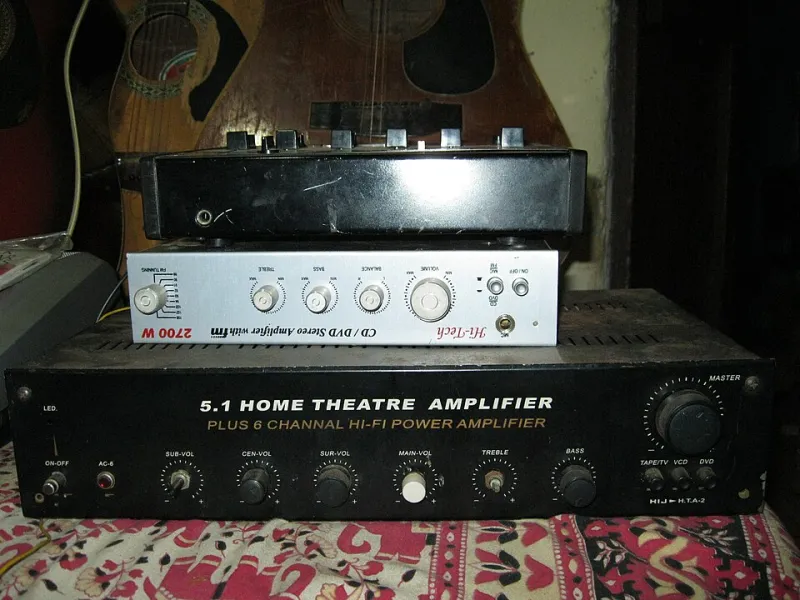
Signal Strength: How FM Radio Quietly Won Back a Generation of Listeners
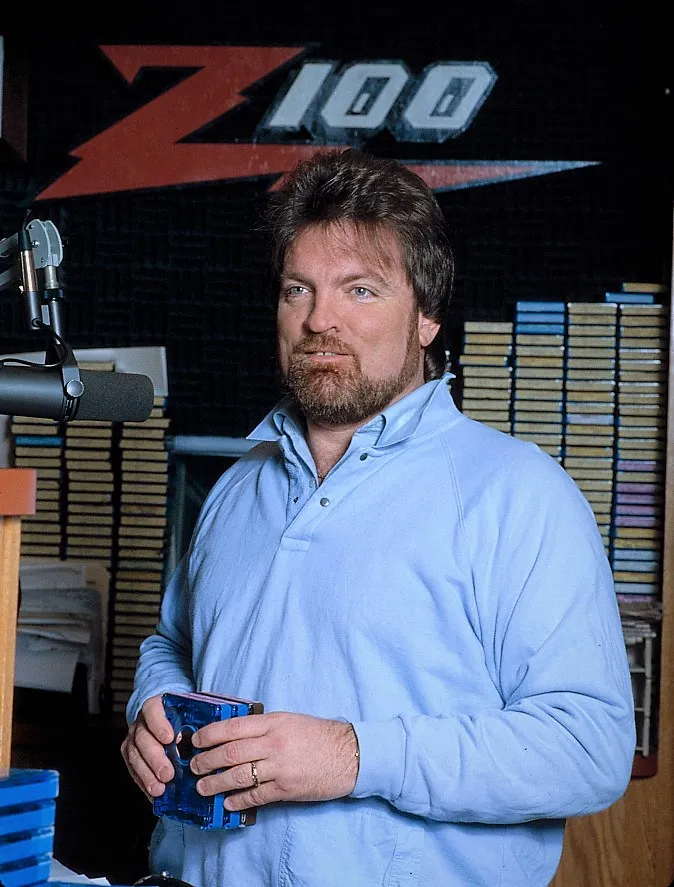
Photo: Gotfryd, Bernard, photographer, Public domain, via Wikimedia Commons
Everybody had FM radio's obituary written. Spotify would bury it. Apple Music would dance on the grave. Podcasts would scatter the ashes. And yet, here we are in 2024, and terrestrial radio is not only alive — it's pulling people back in ways that feel genuinely surprising to anyone who wrote it off a decade ago.
Something shifted. And if you've been paying attention to what's happening in cities from Austin to Cleveland to Portland, you've probably felt it too.
The Numbers Don't Lie (And Neither Does Your Car Radio)
According to Nielsen's Audio Today reports, over 90% of American adults still tune into AM/FM radio every single week. That stat alone should give the streaming-kills-everything crowd some pause. But what's more interesting — and more telling — is the demographic breakdown. Listeners between the ages of 18 and 34 are showing up in ways that contradict the conventional wisdom that younger people have permanently migrated to on-demand platforms.
Drive time is still drive time. And during that commute, a lot of Gen Z and younger Millennials are discovering something their parents knew all along: there's a specific kind of energy to live radio that a curated playlist simply cannot manufacture.
"I tried doing the whole Spotify thing during my morning drive, but I kept skipping songs or getting stuck in a loop of the same stuff," says Marcus, a 26-year-old graphic designer in Chicago. "I switched to a local station almost by accident, and now I look forward to hearing what they're going to play. It's like, I don't know what's coming next, and that's actually the point."
That unpredictability — that sense of genuine discovery — is something streaming platforms have spent billions of dollars trying to simulate. Radio delivers it naturally.
The DJ Is Not Dead. The DJ Is the Whole Point.
Here's what no recommendation engine has figured out how to replicate: a real human being who knows your city, knows the weather, knows that the local team just blew a three-point lead, and can talk to you about all of it between tracks without it feeling forced.
Local DJs carry something that a playlist title never will — personality, context, and community fluency. When a DJ in Nashville cracks a joke about the construction on I-40 or shouts out a neighborhood block party, they're doing something that Spotify's algorithm fundamentally cannot do. They're being a neighbor.
Radio programmers are leaning into this harder than ever. Stations across the country are doubling down on live and local content precisely because that's their competitive advantage. "We stopped trying to out-Spotify Spotify," says one program director at a major market station in the Southeast who asked not to be named. "We started asking what we can do that they literally cannot do. And the answer is: we can be here. We're part of this community in a way a server farm in California isn't."
That authenticity is resonating. Live call-ins, local artist spotlights, on-air debates about regional music scenes — these are the moments that build a loyal audience, not just passive listeners.
Streaming Fatigue Is Real, and Radio Is the Antidote
There's a growing cultural conversation around what some researchers are calling "decision fatigue" in the streaming era. When you open a music app, you're immediately confronted with infinite choice. What do you want to hear? What mood are you in? What playlist fits this exact moment? For a lot of people, that's not relaxing — it's exhausting.
Radio removes the decision entirely. You tune in. Someone else made the call. You either vibe with it or you flip to another station. There's a passivity to it that, counterintuitively, feels like freedom.
Twenty-three-year-old college student Jada from Atlanta puts it plainly: "I use streaming when I want control. I use the radio when I want to just exist for a while. It's a different headspace."
That's a distinction worth sitting with. Radio listening and streaming listening aren't necessarily competing for the same mental real estate. They serve different emotional needs. And radio, it turns out, is really good at the ones that streaming struggles with.
How Stations Are Adapting Without Losing Their Soul
Smart stations aren't ignoring the digital world — they're folding it in. Hybrid models are becoming standard. Livestreams on platforms like 102radio.net, social media integration, text-to-win contests that live on Instagram as much as on the airwaves — these aren't signs of desperation. They're signs of evolution.
Many stations have built robust digital presences that let listeners engage with programming even when they're not near a traditional receiver. You can catch a replay of a morning show on your lunch break or follow your favorite DJ on TikTok. The frequency might be FM, but the reach is everywhere.
And then there's the discovery angle. Radio has always been one of the primary ways new music reaches new ears. Even as streaming has taken over as the dominant consumption platform, radio still plays an enormous role in breaking artists — particularly at the regional level, where a local station can turn a homegrown act into a regional sensation before any algorithm has caught on.
What This Means for the Future of Audio
FM radio's resilience isn't just a feel-good story about nostalgia. It's a real signal — pun intended — about what listeners actually want from audio entertainment. They want connection. They want surprise. They want someone on the other end of the signal who feels like they're in the same zip code, not just the same demographic.
Streaming isn't going anywhere. Neither is podcasting. But neither is local radio. The audio landscape is big enough for all of them, and increasingly, it looks like they're going to coexist rather than cannibalize each other.
So next time you're in the car or just want some background noise that feels alive, try spinning the dial. You might be surprised who's still out there talking to you.
We know we are.