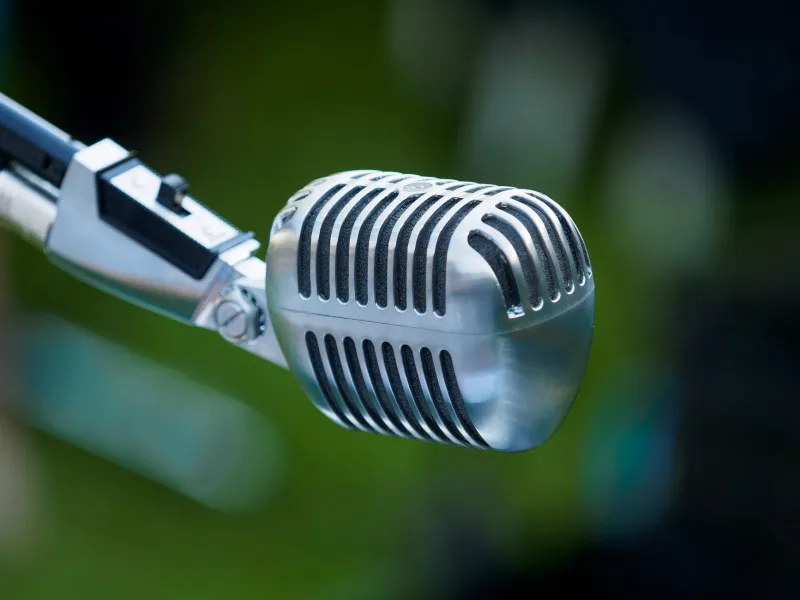
Punching Back: How Independent Radio Keeps Beating Big Tech at Its Own Game
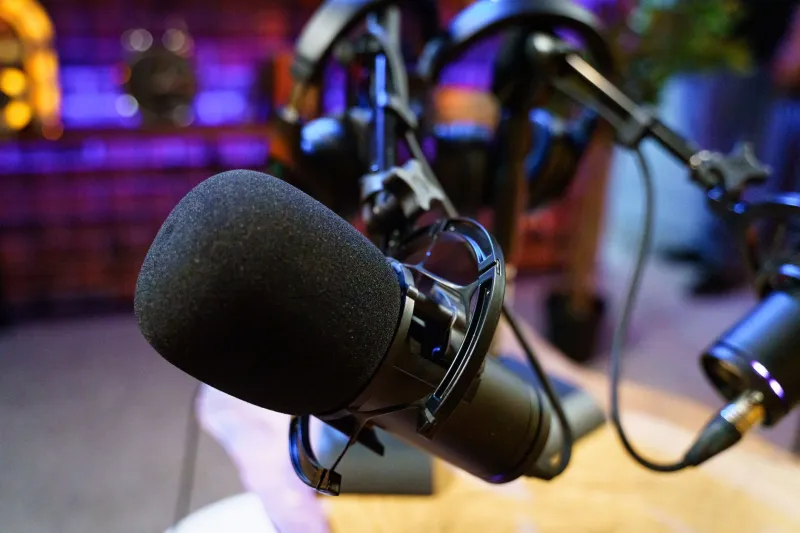
Somebody in a glass-walled office somewhere is probably drafting a presentation right now about how streaming audio is finally, finally going to finish off independent radio. They've got charts. They've got growth projections. They've got a slide that says "the future of audio" in a very clean sans-serif font.
They've also been wrong before. Like, a lot.
The story of big tech versus independent radio isn't really a story about technology at all. It's a story about what people actually want when they turn on something to listen to — and why that answer keeps surprising the people with the most money.
The Playbook Never Changes
Here's how it usually goes. A major platform — think Spotify, Apple Music, Amazon Music, take your pick — rolls out some new audio feature or doubles down on its podcast network or launches a curated radio-style product. The trade press runs the obituaries. Radio insiders brace for impact. And then... not much happens.
Spotify has spent years and billions of dollars trying to own the audio universe. They bought podcast studios. They signed exclusive deals. They built algorithmic radio features that genuinely work pretty well. And yet, according to Nielsen's Audio Today reports, broadcast radio still reaches over 82% of Americans every single week. That number has been remarkably stubborn for years running.
"Every time a new platform shows up, we hear the same thing," says one independent station owner based in the Midwest who's been running his FM operation for over two decades. "And every time, we're still here. I stopped losing sleep over it around 2010."
That kind of confidence isn't blind loyalty to the past. It's pattern recognition.
What Algorithms Can't Buy
Here's the thing about algorithm-driven audio that tech companies don't love to talk about: it's incredibly good at giving you what you already like, and almost useless at giving you what your community needs right now.
When a tornado warning drops across a rural county in Tennessee, Spotify isn't breaking in with emergency information. When a local high school football team makes it to the state championship, Apple Music isn't running a call-in show where half the town calls to celebrate. When a beloved local business closes after thirty years, there's no algorithmic playlist that captures the feeling of a DJ spending ten minutes on air just... talking about it.
Independent radio has always lived in that gap. The gap between content and community.
Audio industry analyst and longtime radio consultant Mark Feinstein — who has advised both traditional broadcasters and streaming platforms — puts it plainly: "The tech companies optimized for engagement metrics. Radio optimized for belonging. Those are not the same product, even if they both come through your speakers."
Belonging, it turns out, has terrible churn rates. People don't cancel something they feel like they're a part of.
The Business Reality Is Messier Than the Headlines
None of this means independent radio is coasting. The financial pressures are real and they're ongoing. Ad revenue has been squeezed. Consolidation has swallowed up a lot of stations that used to be locally owned. Younger listeners are genuinely harder to reach through traditional broadcast alone.
But the independent stations that are thriving — and there are plenty of them — figured out something important early: the fight isn't about the signal, it's about the relationship.
Stations that leaned into hyperlocal content, community partnerships, and genuine personality-driven programming found that listeners didn't just tune in — they became advocates. They showed up at station events. They called in. They told their friends. They complained loudly when format changes threatened to make their station sound like every other station.
That last part is actually a sign of health. You don't complain about losing something you didn't care about.
"Our listeners treat this station like it belongs to them," says one program director at an independent station in the Pacific Northwest. "And honestly? It kind of does. We're just the ones keeping the lights on."
Why Big Tech Keeps Underestimating the Human Factor
There's a structural reason why tech companies keep getting this wrong, and it comes down to how they measure value.
Platforms are built to optimize for data they can capture: streams, clicks, skip rates, session lengths. Radio's value is partially invisible to those metrics. How do you measure the comfort of a familiar voice during a long drive? How do you quantify the way a morning show makes someone feel less alone before they've had their first cup of coffee? How do you put a number on the fact that a listener has been tuning in to the same station for thirty years because it feels like home?
You can't, really. And things you can't measure in a dashboard are easy to dismiss as sentiment rather than strategy.
But sentiment is strategy when it translates into habitual listening, advertiser loyalty, and a community that shows up for you.
The Hybrid Future Is Already Here
The sharpest independent operators aren't pretending the streaming world doesn't exist. They're using it. Stations are streaming live on their own apps and websites, building podcast archives of their best content, and meeting listeners wherever they happen to be — whether that's an FM radio in a pickup truck or a smart speaker in a Brooklyn apartment.
The frequency wars framing implies a zero-sum fight. But the stations doing the best work right now are treating it less like a war and more like a negotiation — taking what's useful from the digital toolkit while protecting the thing that actually makes them irreplaceable.
That thing is trust. Earned slowly, over years, through consistency and authenticity and being present for the moments that matter to a specific group of people in a specific place.
No algorithm has cracked that yet. And the independent radio stations that understand their own value aren't holding their breath waiting for one to try.
The Signal Holds
Big tech will keep coming. The presentations will keep getting made. The obituaries will keep getting written. That's fine. Independent radio has been declared dead so many times that the joke has basically written itself.
What keeps it alive isn't nostalgia, and it isn't stubbornness. It's the fact that what independent radio does — connect real people to real places through real human voices — is genuinely hard to replicate at scale. The economics of Silicon Valley don't favor that kind of intimacy. The economics of community do.
So the next time you hear that streaming is finally going to finish off your local station, maybe just... turn up the volume. The signal's still strong.