No Alarm Clock, No Commute, No Problem: Why Morning Radio Personalities Are Thriving in the Age of Flexible Everything

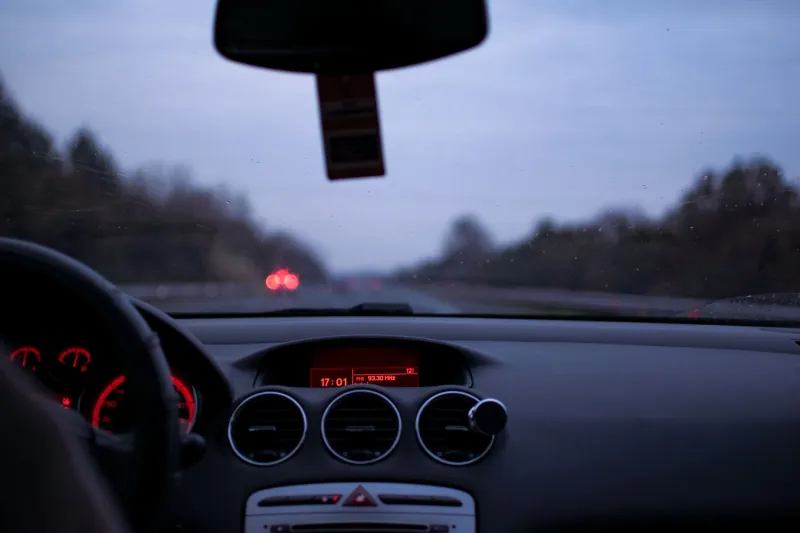
For decades, the morning drive slot was radio's most valuable real estate. Somewhere between 6 and 10 a.m., millions of Americans shuffled into their cars, cranked the volume, and handed their attention over to whoever happened to be behind the mic. It was predictable, it was routine, and it was enormously profitable.
Then the pandemic rewired the American workday, and everyone assumed morning radio was done.
They were wrong — but the reasons why are a lot more interesting than a simple comeback story.
The Commute Didn't Die. It Just Got Weird.
Here's what actually happened to the American morning routine: it didn't disappear, it splintered. Some people still commute every day. Others roll out of bed and shuffle ten feet to a home office. A growing chunk of the workforce does something in between — maybe Tuesday and Thursday in the office, Monday and Wednesday at home, and Friday is anyone's guess.
What that means for radio is that the old model of a unified, predictable audience sitting in traffic at 7:45 a.m. is essentially gone. Stations can't count on the same 800,000 people tuning in at the same moment anymore. The audience is scattered across time zones of routine rather than geography.
But scattered doesn't mean lost.
Ratings data and streaming numbers from the past couple of years tell a genuinely surprising story: while total morning drive impressions have shifted, listener loyalty to specific on-air personalities has actually deepened. People who used to tune in because it was just what you did during the commute are now making an active choice to tune in. That's a fundamentally different — and arguably stronger — relationship.
Why Personality Beats Programming Right Now
Think about what you're actually competing against in 2024 if you're a morning radio host. Spotify's algorithm knows what you listened to last Tuesday. Apple Music can build you a playlist that mirrors your mood before you've had coffee. Podcasts are ready to go on demand, no schedule required.
Against all of that, what does a live morning show have?
A person. A real, unpredictable, occasionally-goes-off-script human being who reacts to the same news you woke up to, laughs at the same absurd thing that happened last night, and makes you feel like someone else is up and at it alongside you.
That's not nothing. That's actually everything.
The hosts who are thriving right now aren't the ones who fill time between songs with generic patter. They're the ones who've built something closer to a friendship with their audience — specific, consistent, warm, and occasionally weird in a way that feels authentic. When a listener who works from home chooses to stream a morning show while making breakfast instead of throwing on a playlist, they're not choosing radio. They're choosing that person.
How Stations Are Adapting (Some Better Than Others)
Smart stations have started treating their morning shows less like time-slot programming and more like ongoing content franchises. That means the show doesn't end at 10 a.m. — it extends into podcast catch-up episodes, social clips, and even mid-day replays for the audience that missed the live broadcast because they were on a 9 a.m. Zoom call.
Some of the more forward-thinking operations have also loosened up the format. The rigid structure of traffic-at-fifteen-and-forty-five made sense when everyone was literally in traffic. Now, a segment that digs a little deeper into a topic — something with actual conversation and stakes — tends to hold listeners better than a reflexive format built around a commute pattern that doesn't exist for half the audience anymore.
There's also been a quiet but meaningful shift in when morning shows are being consumed. Streaming data shows that a notable portion of morning show listeners are catching up between 9 and 11 a.m. — after the traditional drive block ends. That's the hybrid worker who didn't have a commute that day but still wanted to hear what their favorite host had to say. Stations that archive and promote that content are capturing an audience that would have been completely invisible five years ago.
The stations that are struggling? They're still programming for 1998. Traffic reports every fifteen minutes, a rigid song-talk-song-talk rotation, and a morning show that feels like it's designed to fill a time slot rather than connect with a person.
The Loyalty Paradox
Here's the part that should make every radio programmer sit up straight: the fragmentation of the commute has essentially filtered the morning audience down to its most loyal core.
The people who still tune in — whether live in the car, streamed through an app at home, or caught up on later — are choosing to be there. They're not passive captives of the dashboard. They're active listeners who have made a deliberate decision to spend part of their morning with a specific voice.
That's a harder audience to build, but it's a far more valuable one. Advertisers are slowly waking up to this distinction. Engaged listeners who actively seek out a show convert at a meaningfully higher rate than passive audiences who were just there because they were stuck in traffic anyway.
The morning drive audience used to be big because it was unavoidable. Now it's valuable because it's chosen.
What This Means Going Forward
Morning radio isn't dying — it's differentiating. The shows that lean into genuine personality, flexible content delivery, and a relationship-first approach to their audience are going to be fine. Better than fine, actually. They're building something that algorithms genuinely can't replicate: a human being you want to hear from every morning, whatever your morning happens to look like.
The old model assumed the commute would always be there to deliver the audience. The new model understands that the audience has to want to show up.
At 102 Radio, we've always believed that the signal matters less than what's riding on it. The best morning radio hosts figured that out long before the rest of the industry caught up. Now the whole format is having to learn the same lesson — and honestly, it's making for better radio.
Set your own alarm. The show's on whenever you're ready.