Your Ears Know Before Your Brain Does: The Rise of Sonic Branding in Streaming Audio

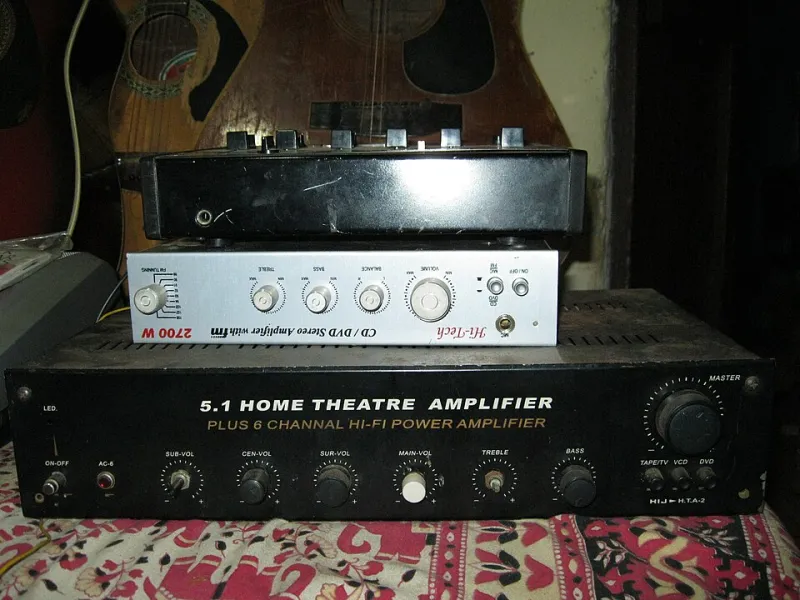
Photo: Anish Regmi,Ankit Khadgi, CC BY-SA 4.0, via Wikimedia Commons
Close your eyes and think about the HBO static hiss. Or the MGM lion. Or the four-note NBC chime. You didn't need to see anything — your brain already knew exactly where you were. That's sonic branding working at its most refined level, and it's been a cornerstone of broadcast media for most of the last century.
Radio got there first. Station IDs, jingle packages, sweeper beds, imaging drops — the whole toolkit was developed by AM and FM stations that understood something fundamental: in a world where you can't see the product, sound is the brand. Now, a new generation of podcasters, digital streamers, and online radio hosts is rediscovering that lesson, often by borrowing directly from the radio playbook.
The Crowded Room Problem
There are currently more than 4 million active podcasts listed across major directories. Streaming audio platforms host hundreds of thousands of stations, channels, and shows. The competition for listener attention is, to put it generously, brutal.
In that environment, differentiation becomes existential. And the creators who are pulling ahead aren't always the ones with the biggest budgets or the most famous hosts — they're the ones whose shows sound like something specific. Something you'd recognize in the first five seconds without ever seeing a title card.
"The visual internet trained everyone to think about logos, colors, and fonts," says Jordan Whitfield, a Brooklyn-based sound designer who has created audio identities for more than 30 podcasts and streaming shows over the past four years. "But audio is a completely different sensory channel. If I can make someone's stomach drop a little when they hear your show's intro, that's a Pavlovian connection. That's what good sonic branding does."
Whitfield points to classic radio imaging as the foundational model. "Those old Top 40 jingle packages from the 60s and 70s — they were basically sonic logos. You heard the station call letters sung in a particular way and your brain immediately associated it with a feeling, a vibe, a time of day. That technology never stopped working. People just forgot to use it."
What Makes a Sound Stick
The science behind sonic branding is more rigorous than most people realize. Research published by audio branding consultancy PHMG found that congruent audio — meaning sound that matches the emotional tone a brand is trying to convey — increases message retention by up to 96% compared to silence or mismatched audio. Your ears are processing and storing emotional data faster than your conscious mind can keep up.
For streaming audio specifically, a few elements tend to define successful sonic identities:
The signature intro sequence. This is the most direct borrowing from radio imaging. A well-crafted intro — typically running between three and fifteen seconds — establishes tempo, mood, and personality before a single word is spoken. Think of it as the handshake before the conversation.
Recurring musical motifs. Some of the most recognizable podcasts in the U.S. use a specific chord progression, melodic phrase, or rhythmic pattern that reappears throughout the episode — under segment transitions, beneath ad reads, at the close. It's the audio equivalent of consistent typography.
Voice treatment and texture. The way a host's voice is processed — the room sound, the compression, the EQ signature — contributes to brand identity in ways listeners feel but rarely articulate. A show that sounds like it was recorded in a warm, intimate space communicates differently than one with a clean, broadcast-polished treatment, even if the content is identical.
Sound design accents. Small, repeated audio cues — a specific notification sound, a brief musical sting before a key segment, even a consistent ambient bed — train listeners to navigate the show's structure without any verbal instruction.
Stealing Smartly from the Radio Playbook
The creators doing this best aren't reinventing anything. They're adapting.
Take Conan O'Brien Needs a Friend, one of the most-downloaded podcasts in the U.S. Its intro package — the specific fanfare, the announcer tone, the pacing — is unambiguously rooted in late-night broadcast tradition. It signals "this is a comedy show with production values" before Conan says a word.
Or consider how Serial, the true crime podcast that basically launched a genre, used composer Nick Thorburn's now-iconic theme to establish an emotional register of quiet dread and intellectual curiosity. That theme is the brand. Millions of people heard it and immediately knew where they were.
Smaller, independent shows are catching on too. Sound designer Aaliyah Torres, who works primarily with mid-tier podcasts trying to break through on platforms like Apple Podcasts and Spotify, says demand for professional audio branding has doubled in her client base over the past 18 months.
"Two years ago, most of my clients just wanted a generic royalty-free track under their intro," Torres says. "Now they're coming in with mood boards, reference shows, detailed briefs about what emotion they want to trigger. They've figured out that the audio logo is as important as the visual one — maybe more important, because it's the first thing people actually experience."
The Algorithm Factor
There's a practical, platform-specific reason sonic branding matters more than ever in 2024. Streaming algorithms increasingly surface audio content based on completion rates and return listener behavior. A show with a strong, recognizable identity builds habitual listeners — people who come back not just because the content was good, but because the experience felt familiar and trustworthy.
That's exactly what radio stations spent decades engineering with their imaging and jingle packages. The goal was never just to sound good once. It was to sound like home every single time.
For the growing wave of digital audio creators navigating an algorithm-driven, ad-supported landscape, that lesson from broadcasting is worth more than any SEO hack or playlist placement strategy. Build something that sounds like itself, consistently and unmistakably, and the ears will find their way back.
At 102 Radio, we've been living this truth since day one. Your signal isn't just what you say — it's how you sound saying it. In a world drowning in audio content, the shows that cut through the noise are the ones that are the noise. Deliberately, distinctly, and memorably their own.