The Voice Before the Detour: Why Local Radio Still Owns the Morning Commute
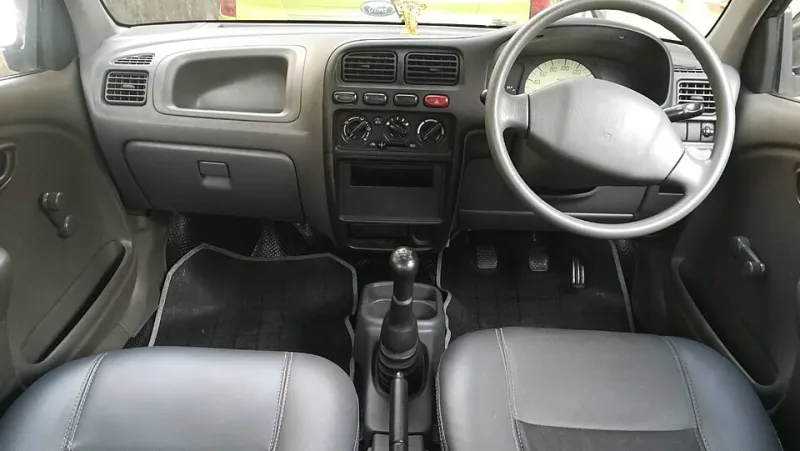
Photo: Vjdeep, CC BY 3.0, via Wikimedia Commons
The rain starts before the coffee does. You are in the car, phone mounted, map glowing, and the app says your commute is thirty-eight minutes. Then the radio says something the app cannot: the school district just called a two-hour delay, a section of the parkway is flooding, and the bridge is down to one lane because a truck lost a load of lumber. Suddenly thirty-eight minutes is a fantasy. The map knows the route. The radio knows the morning.
That is the quiet advantage local radio still holds in 2026. Traffic and weather are not just data points. They are context. They are the difference between a machine recalculating your drive and a human being telling you what kind of day you are actually walking into.
The Reroute Is Not the Whole Story
Navigation apps are excellent at the math. They see congestion, calculate alternatives, and move you around the problem. What they do not see is why the problem matters. A backup on the interstate is an inconvenience. A backup caused by a chemical spill is a public safety event. A closed road is a line on a screen. A closed road because the creek has jumped its banks is a reason to call your neighbor and ask if they need a ride.
Local radio has always specialized in the why. In Washington, D.C., WTOP has built a whole identity around traffic on the eights, with reporters and anchors who know the difference between a routine slowdown and a regional mess. In New York, 1010 WINS famously promised “give us twenty-two minutes” and delivered headlines, weather, and traffic in a tight, repeatable rhythm. In Los Angeles, airborne traffic reports became part of the morning soundtrack because freeway chaos is a local language. In Boston, WBZ has long been a place where people turn when the forecast stops being a suggestion and starts being a plan.
Those stations are not just reading numbers off a screen. They are translating. They are telling you which on-ramp to avoid, which town is getting hit first, and whether the storm is moving fast enough to clear out before the afternoon bell.
The Forecast Has a Face
Weather apps are precise. They can tell you the chance of rain down to the percentage point. They can show you a radar loop in colors that look like a fireworks display. But precision is not the same as trust. When a tornado warning crawls across the bottom of the screen, people do not just want a probability. They want a voice that sounds like it has been through this before.
That is why local meteorologists still matter. They know the microclimates. They know that one county floods when the river rises two feet, that a certain intersection turns into a skating rink at the first freeze, that the school district has a habit of waiting until the last possible minute. They can say “this is the same setup we saw a few years ago” and mean it. They can tell you to take the warning seriously without making you feel like you are overreacting.
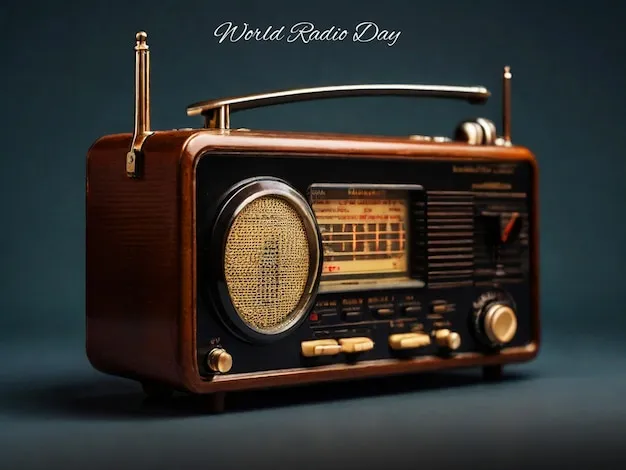
Radio is uniquely good at this because it is immediate and human. You do not have to look at a screen. You do not have to unlock a phone. You just listen. In storm mode, that matters. When the power is out and the cell towers are crowded, a battery-powered radio and a familiar voice can be the most reliable thing in the house.
Storm Mode
Every local station has a storm mode. It is the tone shift you can hear before the words change. The music stops. The host gets serious. The weather team takes over. The traffic reporter starts calling in from the field. The station becomes a public service, not a playlist.
During hurricanes, blizzards, floods, and wildfires, radio still does the granular work that national broadcasts cannot. It tells you which shelter is open, which grocery store has water, which road is closed, which school is dismissing early. It repeats the information because repetition is the point. It takes calls from listeners who know something the official channels do not. It stays on when the internet is wobbling.
That is not nostalgia. That is infrastructure. A lot of people still rely on it, especially in rural areas, during emergencies, and in the ordinary mornings when the phone is more useful as a navigation tool than a news source.
The Morning Ritual
The traffic and weather report is one of the last great shared rituals of local media. It happens at the same time every morning. It has a rhythm. The host tosses to the traffic reporter. The traffic reporter tosses to the weather anchor. They banter. They repeat the bad news. They tell you to leave early. You groan, change lanes, and keep listening.
That ritual is why local radio still owns a piece of the commute. The app can tell you where to go. The radio tells you what is going on. One is a tool. The other is a companion.
So yes, keep the map open. Use the app. Let it reroute you. But leave the radio on. The voice before the detour is still the one that tells you why the day is about to get complicated, and how to get through it with your coffee still warm.