From Airwaves to Earbuds: How Podcasts Permanently Changed the Rules of Audio
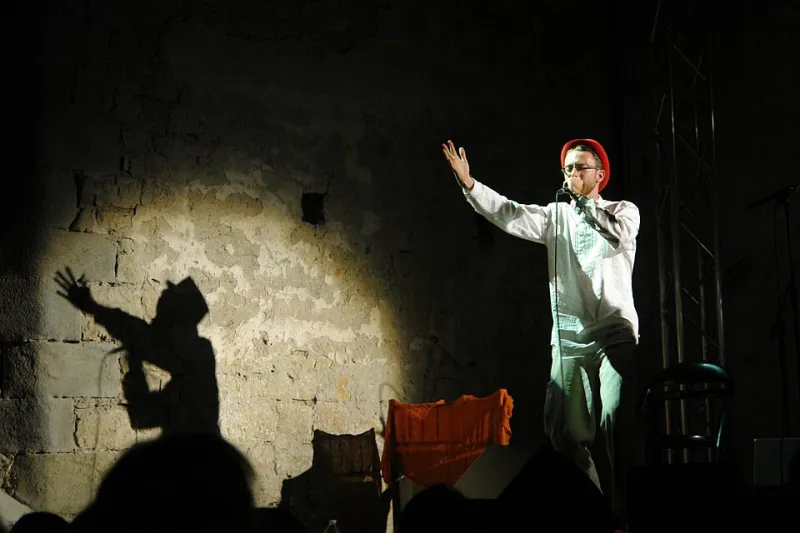
Photo: Yann Forget, CC BY-SA 4.0, via Wikimedia Commons
There was a time when radio was the only game in town. You tuned in, you listened to whatever was playing, and if you missed it, you missed it. That was the deal. The schedule was the schedule, the DJ was the DJ, and the relationship between broadcaster and listener was beautifully, frustratingly one-directional.
Then podcasts showed up and quietly blew the whole thing open.
We're not talking about a gradual shift here. According to Edison Research's Infinite Dial report, more than 135 million Americans now listen to podcasts monthly — a number that's more than doubled over the past decade. That's not a trend. That's a transformation. And it didn't just change how people consume audio. It changed what they expect from it.
The Serialized Story Changed Everything
When Serial dropped in 2014, it didn't just become a cultural phenomenon — it introduced an entirely new grammar for audio storytelling. Listeners weren't just tuning in for information or background noise. They were invested. They were binging. They were debating theories in Reddit threads at 2 a.m. and refreshing their podcast apps like they were waiting for a text back.
That kind of engagement was something radio had never quite managed to manufacture at scale. Sure, morning shows have loyal followings. Talk radio has its devoted audience. But the serialized narrative podcast created a listener who didn't just consume content — they followed it. They came back not because a timeslot told them to, but because they genuinely couldn't wait.
Creators noticed. Platforms noticed. And eventually, radio stations noticed too.
"The podcast format taught listeners that audio could be patient," says one independent audio producer based out of Austin who runs a narrative history show with over 200,000 monthly downloads. "Radio always felt like it was in a hurry. Podcasts said, 'Hey, we've got time. Let's actually go somewhere together.'"
What Radio Stations Are Actually Doing About It
Here's the part that surprises people: a lot of traditional radio stations aren't ignoring the podcast wave. They're surfing it.
Major broadcasters like iHeartMedia and Audacy have poured serious resources into podcast networks, essentially building parallel audio empires alongside their FM operations. NPR — always a hybrid creature — has arguably become more influential through its podcast catalog than through its over-the-air programming. Fresh Air, Invisibilia, Code Switch — these shows live on both platforms, and their podcast numbers frequently dwarf their radio audiences.
Smaller local stations are getting creative too. Some are repurposing their most compelling talk segments as standalone podcast episodes. Others are producing original podcast content that feeds listeners back into their live programming — a kind of audio ecosystem where each format promotes the other.
The strategy makes sense. Radio's core strength has always been its community connection, its local voice, its sense of being here with you in real time. Podcasts can't fully replicate that. They're recorded, edited, and released on a delay. There's no breaking news, no traffic update, no DJ who knows your city's inside jokes. That live, local, present-tense quality is still radio's trump card.
The Listener Has Changed — And Knows It
But here's the uncomfortable truth that radio has had to sit with: the podcast era didn't just create new listening habits. It created more demanding listeners.
When you spend a hundred hours with a podcast host — hearing their voice in your earbuds during commutes, workouts, late nights — you develop a kind of intimacy with them that feels different from traditional radio fandom. You know their laugh. You've heard them get emotional. You've heard them mess up and leave it in the edit. That rawness, that unpolished realness, is something podcast culture wears like a badge.
Now those same listeners tune into a radio morning show and they notice the tighter format, the commercial breaks, the clockwork pacing. They're not necessarily turned off — but they're more aware of the machinery behind it.
"Podcast listeners are audio-literate in a way that's new," says a media researcher who studies digital audio consumption patterns. "They understand production choices. They notice when something feels authentic versus when it feels performed. That's a higher bar for everyone making audio."
The Formats Are Converging — And That's a Good Thing
What's genuinely exciting about where we are right now is that the walls between podcasting and radio are getting porous in the best possible way.
Live radio is borrowing the long-form interview style that podcasts popularized. Podcasters are experimenting with live episode recordings and even occasional simulcasts. Streaming platforms like Spotify have blurred the line further by hosting both music radio and podcast content in the same app, letting listeners float between formats without friction.
For audio fans, this is a golden era. The competition between formats has pushed everyone to be better — more thoughtful about storytelling, more intentional about sound design, more honest about who they're talking to and why.
At 102 Radio, we've always believed that great audio isn't about the delivery mechanism. It's about the moment when someone listening feels genuinely heard, understood, or moved. Podcasts didn't steal that from radio. They just reminded everyone what it felt like.
And radio, to its credit, has been listening.