Why the Voice in Your Earbuds Feels Like Your Oldest Friend
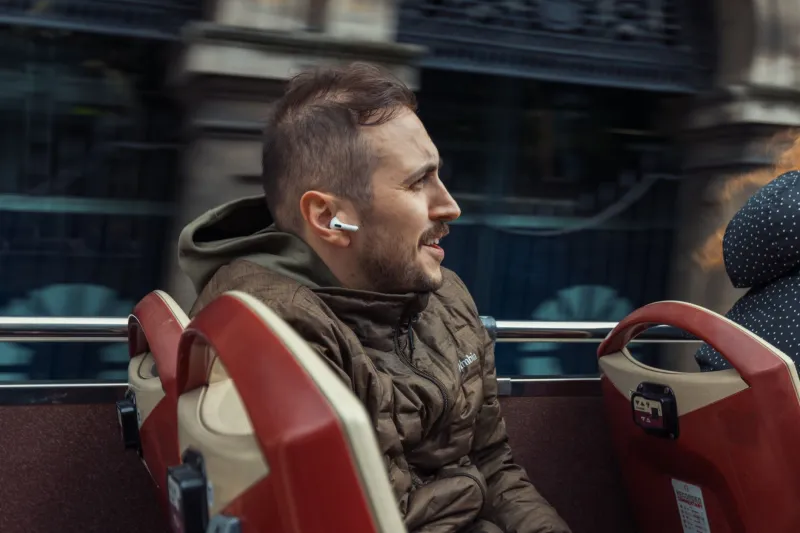
You're driving to work, coffee in the cupholder, and your favorite morning show host is mid-story about their dog getting into the trash again. You laugh. You feel like you were there. And honestly? You kind of were — in the way that matters most.
That feeling has a name. Psychologists call it a parasocial relationship, which is a fancy term for a one-sided bond where you feel genuine connection to someone who doesn't technically know you exist. It sounds kind of sad when you say it out loud. But here's the thing: radio listeners have been forming these connections for nearly a century, and there's growing evidence they're actually really good for us — maybe even better than the "friendships" we're curating on social media.
The Thing About Voices
Human brains are wired for voice. Before we had written language, before we had screens, we had storytellers gathered around fires. Voice carries emotion in ways that text and even images struggle to replicate. The pace of someone's speech, the little catch in their throat when something moves them, the way they laugh before they've even finished the joke — all of that lands in your nervous system and registers as presence.
When you follow someone on Instagram, you're consuming a curated highlight reel. It's visual, it's polished, and it's designed to perform. When you tune into a radio host every morning for three years, you're hearing them on good days and rough ones. You hear the cold they're fighting through in November. You hear the excitement they can't contain when their team made the playoffs. You're not watching a persona — you're listening to a person.
That distinction is enormous.
"There's no filter on a voice," says longtime Chicago morning radio personality Marcus Delray, who's been on-air for over 15 years. "You can edit a photo. You can delete a tweet. But when you're live on the mic, whatever's in you comes out. Listeners feel that. They know when you're faking it, and they know when you're not."
Why Social Media Friendships Feel Hollow
Let's be honest about what social media "connection" usually looks like. Someone double-taps your brunch photo. An algorithm surfaces a meme you both liked. You share a comment thread with a stranger who has the same opinion about a TV show. These interactions feel like connection in the moment — and sometimes they genuinely are — but they're mostly transactional. The platform is designed to keep you engaged, not to help you build meaningful bonds.
The attention economy has made friendship into content. You perform relatability. You optimize your vulnerability. You post the "real" version of yourself that's still been thought about, filtered, and timed for maximum engagement.
Radio doesn't work that way. A host can't schedule their authenticity for 7:42 PM when engagement rates peak. They're live. They're present. And so are you — commuting, cooking, working out, doing the dishes. You're not performing when you're listening. You're just living your life with someone else's voice keeping you company.
That shared ordinariness is where real connection lives.
The Listener Community Nobody Talks About
Here's a layer that often gets overlooked: it's not just about the host. Radio builds listener communities — people who bond over shared loyalty to a show, a station, a sound.
Ask anyone who's ever called into a talk radio show and had their voice broadcast across a metro area. Or anyone who's been a regular in a station's text line or online forum. There's an us-ness to it. A belonging. You're all tuned to the same frequency, literally and figuratively.
Sarah, a 34-year-old teacher from Nashville, has been listening to the same country morning show for over a decade. "I've never met most of the people in the listener Facebook group," she says, "but I feel like I know them. We've been through the same moments together — when the host's dad passed away, when they did that fundraiser for the tornado relief. Those things happened to all of us at the same time. That's not something a social media algorithm creates. That's just... real."
There's a communal listening experience baked into radio that streaming platforms are still trying to crack. Spotify's social features feel bolted on. Radio's community is the whole point.
Consistency Is the Secret Ingredient
One of the most underrated aspects of radio friendship is simply showing up. Your favorite host is there Monday through Friday, same time, same frequency. Week after week, year after year. That kind of consistency is rare in modern life — and it builds trust in a way that viral moments never can.
Think about the friendships you value most in real life. They're probably not the people you had one spectacular conversation with. They're the people who've been around through the boring Tuesdays and the hard Januaries. Radio hosts, at their best, are those people. They're there when you're stuck in traffic on a Wednesday. They're there when you're wide awake at 2 AM and the overnight show is the only company you've got.
"I've had listeners tell me I got them through their divorce," Delray says quietly. "I wasn't doing anything special. I was just there every morning, same as always. But that mattered to them. That's not something I take lightly."
What Streaming Can Learn From This
The audio world is evolving fast. Podcasts, streaming platforms, internet radio — they're all competing for ear time. And the smartest ones are starting to understand that the hosts and personalities they feature aren't just content delivery vehicles. They're relationship builders.
At 102 Radio, we think about this a lot. The goal has never been just to fill airtime. It's to create a signal you trust, a sound that feels familiar, a presence that fits into your life like a good friend would. That's the frequency we're always tuning toward.
Social media will keep optimizing for engagement. Algorithms will keep predicting what you want to see. But they can't replicate the feeling of a voice you know cutting through the noise of your morning commute and making you feel, even just for a minute, like you're not doing this whole thing alone.
That's not a feature. That's friendship. And radio figured it out first.